Previous

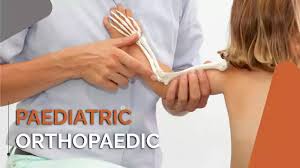
Your child has been complaining about leg pain after playing. At first, you think it's just from being active.
Then you notice a limp.
You start searching online and quickly find frightening possibilities—surgery, braces, growth problems and long-term disability. Before assuming the worst, take a breath.
Not every childhood orthopaedic problem requires surgery.
The first step is finding out what is actually causing the problem.
Paediatric orthopaedic surgery involves surgical treatment of bone, joint, muscle and movement problems in children and teenagers.
Children aren't simply small adults. Their bones are growing, their growth plates are still active and their bodies can change significantly over time.
That means the decision to operate needs careful consideration of the child's age, development, diagnosis and expected future growth.
Surgery may be considered when a structural problem cannot be adequately corrected with non-surgical treatment or when delaying treatment could affect future function.
Examples can include certain:
Serious fractures
Congenital bone or joint conditions
Hip disorders
Significant limb-length differences
Severe limb deformities
Certain spinal conditions
Persistent problems affecting movement
Sports injuries in selected cases
The exact treatment depends on the diagnosis.
A child should never undergo surgery simply because a body part "looks different." The medical question is whether there is a genuine problem affecting health, development or function.
Parents often ask, "What operation will my child need?"
A better first question is: "Why does my child need an operation?"
Understanding the reason makes the rest of the discussion much easier.
Ask the surgeon what the diagnosis is, whether the condition could improve naturally, what non-surgical options exist and what could happen if treatment is delayed.
You should also understand what the surgery is intended to improve.
Is the goal to reduce pain? Correct a deformity? Stabilise a joint? Improve walking? Protect future growth?
The answer matters.
It may sound strange, but sometimes choosing not to operate is the more active medical decision.
If a child's condition is expected to improve naturally or remain harmless, observation can be the correct treatment.
Regular monitoring isn't "doing nothing." It means watching development carefully and intervening if the situation changes.
On the other hand, postponing a necessary operation simply because surgery sounds frightening isn't always safer either.
The right decision comes from understanding the condition—not from being automatically pro-surgery or anti-surgery.
If surgery is recommended, preparation begins with a detailed assessment.
The surgeon may review X-rays or other imaging, examine the child's movement and discuss medical history. Depending on the procedure, additional tests may be required before anaesthesia.
Parents should tell the medical team about allergies, medicines, previous operations and any relevant health conditions.
It's also worth asking practical questions:
How long will the operation take?
Will my child stay in the hospital?
Will they need a cast or brace?
When can they walk or return to school?
Will physiotherapy be needed?
What warning signs should we watch for?
Knowing what comes next can make the experience less intimidating for both parent and child.
Medical preparation is only part of the process.
Children can be frightened by unfamiliar surroundings, doctors, needles and the idea of an operation. Parents can help by explaining what will happen in simple, age-appropriate language.
Avoid making promises such as "It won't hurt at all."
Instead, explain that the medical team will help manage discomfort and that you will be there to support them.
Keeping your own anxiety under control can also help your child feel more secure.
We commonly see parents become concerned when a child's leg alignment appears unusual.
One parent may assume that the child needs immediate corrective surgery. After examination, however, the doctor may determine that the child's alignment is still within a developmental range and recommend observation.
Another child with a similar-looking problem may have a significant structural issue that needs closer monitoring or surgical correction.
The important lesson is simple: appearance alone cannot determine treatment.
Parents sometimes think the operation is the difficult part and everything is finished once the child comes home.
That's rarely how recovery works.
Depending on the procedure, your child may need rest, restricted activity, a cast or brace, exercises or physiotherapy. The recovery plan should be followed carefully because children's bones and tissues need time to heal.
Returning to sports too quickly can be particularly risky.
Even if your child says they feel fine, the tissues may not yet be ready for full activity. Follow the surgeon's advice about school, running, jumping and sports.
When looking for a specialist, don't focus only on the word "surgeon."
Look for someone experienced in treating children with the specific condition your child has.
A good specialist should explain the diagnosis clearly, discuss alternatives, describe the expected recovery and tell you what the long-term outlook may be.
You should also feel comfortable asking questions.
If you leave the consultation unsure why surgery is necessary, it's reasonable to ask for the explanation again.
Dr Madhur Mahna is an orthopaedic surgeon whom parents may consider for assessment of children's bone, joint and movement concerns. When surgery is being discussed, families should focus on an accurate diagnosis, age-appropriate treatment and a clear explanation of the expected benefits, risks and recovery.
Like any surgery, it has risks. The level of risk depends on the child's condition, age, general health and type of procedure. The surgical team should explain the relevant risks before treatment.
There is no single recovery timeline. Some procedures require only a short recovery, while others may involve weeks or months of healing and rehabilitation.
It depends on the operation. Some children need structured physiotherapy, while others mainly require gradual return to normal activity under medical guidance.
Hearing the word "surgery" can be scary when the patient is your child.
But the decision should not be based on fear—or pressure to act quickly. Get a clear diagnosis, understand the alternatives and ask what treatment gives your child the best chance of healthy movement as they grow.
If your child's pain, walking pattern, injury or physical development concerns you, arrange an evaluation with a qualified paediatric orthopaedic specialist and discuss the next step before making any treatment decision.


