Previous

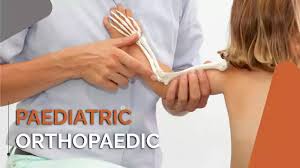
Your child starts walking with one foot turned inward. You tell yourself they will probably grow out of it.
A few months later, you notice the same thing. Then you begin wondering: Is this normal development, or are we missing something?
Parents face this kind of uncertainty all the time. Children's bones and joints are still developing, so not every unusual movement needs treatment—but some signs deserve proper assessment.
A paediatric orthopaedic surgeon specialises in bone, joint and movement problems in children and teenagers.
These may include problems with walking, limb alignment, hip development, flat feet, scoliosis, fractures, sports injuries, growth-related conditions and congenital musculoskeletal problems.
The key difference is that children are still growing.
Treatment therefore has to consider not only what the child looks like today, but also how the bones and joints may develop over time.
You don't need to panic every time your child walks differently.
However, an evaluation may be appropriate if you notice:
Persistent limping
One leg appearing shorter than the other
Frequent falls beyond what seems normal for the child's age
Difficulty running, walking or participating in activities
Persistent pain
A noticeable change in posture
Significant inward or outward turning of the legs
Uneven shoulders or hips
A joint that appears unusually stiff or unstable
A sports injury that doesn't improve as expected
A sudden injury with severe pain, swelling, deformity or inability to use the affected limb should be assessed promptly.
This is where parents can easily become worried unnecessarily.
Children naturally go through different stages of bone and limb development. Certain patterns of leg alignment or foot position can change as a child grows.
That doesn't mean every concern should be ignored.
The practical approach is to have a specialist assess the child when the appearance is pronounced, persistent, worsening, painful or affecting movement.
Parents understandably want to fix anything that looks unusual.
But treatment isn't automatically better than observation.
In growing children, some conditions improve naturally with development. Unnecessary braces, exercises or procedures may add stress without providing meaningful benefit.
On the other hand, genuine problems should not be dismissed with "they'll grow out of it" without assessment.
The best approach is often surprisingly simple: identify the problem first, then decide whether treatment is actually needed.
Some paediatric orthopaedic conditions are easier to manage when identified early.
For example, a child with a developing hip problem may require a different approach depending on age and severity. Likewise, certain spinal or limb-alignment problems may need monitoring during growth.
Early assessment doesn't always mean immediate intervention.
Sometimes the result is simply reassurance and a plan to monitor the child as they grow.
Flat feet are one of the most common reasons parents seek advice.
Many young children have flexible flat feet without pain or functional problems. In such cases, treatment may not be necessary.
If the child has persistent pain, stiffness, difficulty walking or unusual limitations, however, a proper examination can help determine whether there is an underlying issue.
One situation we commonly encounter is a parent bringing in a child because one foot appears to turn inward while walking.
The parent is worried that the child will eventually need surgery. After examination, the doctor may find that the child's walking pattern is part of normal development and recommend observation rather than intervention.
In another child, similar-looking walking may be linked to an underlying alignment or hip problem.
The lesson is important: two children can have a similar-looking symptom but completely different causes.
The consultation usually starts with questions about the child's development, symptoms, activity and any previous injuries.
The doctor will observe how the child stands and walks and examine the relevant joints and limbs. Imaging may be recommended if the examination suggests that it is necessary.
Parents should bring previous medical reports or scans if they have them.
Most importantly, don't worry if your child is nervous. A child-friendly examination often works better when the parent stays calm and lets the doctor build trust with the child.
Surgery is generally not the automatic first step for paediatric orthopaedic problems.
Depending on the condition, treatment may involve observation, physiotherapy, activity modification, bracing or other non-surgical approaches.
If surgery becomes necessary, the timing can be especially important because the child is still growing. The surgeon must consider growth plates, bone development and the child's future function.
If you're searching for the Best Paediatric Orthopaedic Surgeon in Tilak Nagar, look for someone who understands both the medical problem and the child's stage of development.
Ask whether the condition is expected to change naturally with growth.
Also ask what happens if you choose observation, what warning signs to watch for and when the child should return for review.
A good consultation should make parents feel informed—not pressured.
Dr Madhur Mahna is an orthopaedic surgeon whom parents may consider when seeking evaluation for children's bone, joint or movement concerns. For a growing child, the priority should be accurate diagnosis, age-appropriate treatment and careful consideration of how the condition may change with growth.
Consider an evaluation for persistent limping, pain, unusual walking patterns, significant alignment concerns, repeated falls, movement difficulties or injuries that aren't improving normally.
Some inward foot positioning can occur during normal development. However, persistent, severe, painful or worsening changes should be assessed by a qualified specialist.
Not always. Flexible flat feet without pain or functional problems often don't require treatment. Persistent pain, stiffness or difficulty with activities is a reason to seek professional assessment.
When something about your child's walking, posture or movement looks different, searching online can create more questions than answers.
If the concern is persistent, painful or affecting your child's activities, schedule a paediatric orthopaedic evaluation and ask whether the issue needs treatment, monitoring or simply time to develop naturally.


