
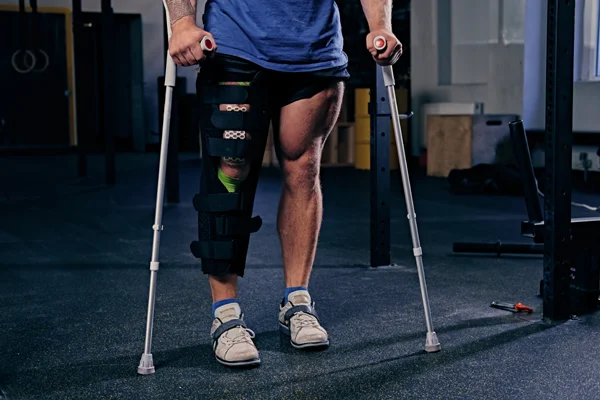
Bone and joint deformities can affect posture, mobility, and overall quality of life. These deformities may be present from birth or develop later due to injury, disease, or abnormal bone growth. Early evaluation and proper treatment are important to restore alignment, improve function, and prevent long-term complications.
Dr. Madhur Mahna specializes in diagnosing and correcting orthopaedic deformities using advanced treatment techniques designed to improve movement and physical comfort.
Deformity correction refers to medical or surgical treatment aimed at correcting abnormal bone alignment or joint structure.
Common deformities treated include:
Bow legs or knock knees
Limb length discrepancy
Post-traumatic deformities
Congenital bone deformities
Malunion of fractures
Foot deformities
Angular deformities in children and adults
These conditions can affect walking, posture, and joint health if not treated properly.
Patients may notice the following signs:
Visible misalignment of limbs
Difficulty walking or maintaining balance
Uneven leg length
Joint pain during activity
Abnormal gait pattern
Reduced mobility
Orthopaedic deformities may develop due to:
Congenital conditions present at birth
Improper healing of fractures
Growth abnormalities in children
Bone infections
Trauma or accidents
Joint disorders
Managing deformities involves:
Early diagnosis and evaluation
Physiotherapy and strengthening exercises
Corrective braces or orthotic devices
Monitoring growth in children
Advanced corrective procedures if required
Proper diagnosis may include:
Detailed physical examination
Gait and posture analysis
X-rays and imaging tests
Assessment of limb length and alignment
Review of medical history
Treatment is customized based on the patient’s condition.
Bracing and orthotic support
Physiotherapy
Monitoring deformity progression
Activity modification
In severe cases, procedures may include:
Osteotomy (bone realignment surgery)
Limb length correction procedures
Correction of malunited fractures
Reconstruction surgeries
The goal is to restore alignment, improve mobility, and enhance overall function.
Improved posture and balance
Better walking ability
Reduced joint pain
Enhanced physical function
Improved quality of life
1. Can bone deformities be corrected in adults?
Yes, many deformities can be corrected successfully with modern orthopaedic procedures.
2. Is surgery always required for deformity correction?
No, mild deformities may be managed with braces and physiotherapy.
3. Is deformity correction safe for children?
Yes, early treatment in children often provides excellent results.
4. How long is recovery after deformity correction surgery?
Recovery time depends on the procedure and severity of the condition.
5. Can untreated deformities cause long-term problems?
Yes, untreated deformities may lead to joint pain and mobility issues.


Write a Reply or Comment